
Want the latest retirement plan adviser news and insights? Sign up for PLANADVISER newsletters.
Compliance August 29, 2025
Maximizing HSAs: What the OBBB Act Has Changed
Cat Torres, from Sentinel Group, discusses how recent developments have introduced new opportunities for HSA eligibility.
Reported by Cat Torres

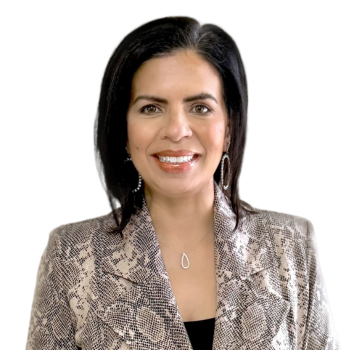
Cat Torres
Health savings accounts have reached a pivotal milestone. According to the 2024 Year-End Devenir HSA Market Survey, there are nearly 40 million HSAs holding almost $150 billion in assets, making them the most popular pre-tax benefit option. Recent developments—most notably the One Big Beautiful Bill Act—have introduced new opportunities for HSA eligibility, even as important gaps remain.
Impressive Growth Trajectory of HSAs
HSAs have been steadily gaining momentum for a while, even apart from the latest legislation. Since their introduction in 2003, HSAs have enjoyed robust year-over-year growth. The 40-million-account milestone is expected to be surpassed this year, and the percentage of invested funds continues to climb—from 34% just three years ago to over 43% today, representing $63 billion in investment assets, per the Devenir survey.
Yet, only 10% of account holders actively invest their HSA funds, leaving plenty of room for further education and outreach. This presents both an opportunity and a challenge for employers and benefits administrators to help employees realize the full, long-term wealth-building potential of these accounts.
Employer Contributions Drive Adoption
Employer-sponsored plans have played a vital role in encouraging the rising prevalence of HSAs. The data is compelling: 90% of HSA contributions flow through employer-sponsored channels, with individual yearly contributions averaging $2,300. Employer funding last year averaged $927 to a participant account—an increase of around $100 from the previous year, the survey found.
Employer contributions aren’t just a funding source—they’re a critical motivator. They lower entry barriers for employees, making it easier to build HSA balances and preparing these participants to better manage deductible expenses. Research finds employer contributions to be the most influential factor when people decide whether to participate in an HSA, further cementing this benefit’s value for recruitment and retention.
Account Balances Reflect Long-Term Thinking
HSA balances have grown substantially since 2019, having jumped 50% in the past few years, Devenir found.
This growth stems from multiple factors: increasing contribution limits, expanded availability, investment gains and a fundamental shift in how people view these accounts.
The most significant change? Users increasingly treat HSAs as long-term savings vehicles rather than transactional accounts. Instead of the traditional “dollar in, dollar out” approach, many account holders now follow a “two dollars in, one dollar out” strategy, leading to fewer distributions and higher sustained balances.
Notably, 60% of HSA users consider their account an important part of their retirement strategy, dispelling the myth that HSAs are for only the wealthy. Recent studies show the highest percentage of HSA holders have household incomes between $60,000 and $80,000, with 70% earning under $100,000 annually, according to a joint study by Devenir and the American Bankers Association’s HSA Council.
The OBBB Expands Access but Leaves Gaps
The One Big Beautiful Bill Act marked a significant turning point for HSAs, with important changes in the following three areas:
Exchange plan eligibility. Bronze plans on state and federal exchanges may now qualify as high-deductible health plans eligible for HSA pairing, potentially affecting 7 million Americans currently enrolled in these plans, KFF [Kaiser Family Foundation] reported in its State Health Facts.
Direct primary care arrangements. Previously considered conflicting coverage, direct primary care plans costing up to $150 monthly for individuals—$300 for families—no longer disqualify HSA participation. With 300,000 Americans in such arrangements and with 30% annual growth, this change could boost HSA enrollment, the DPC Coalition found.
Permanent telemedicine coverage. The temporary COVID-era provision allowing telehealth services below the deductible is now permanent, providing plan sponsors with lasting flexibility.
However, while the OBBB has broadened the playing field for millions, several major groups remain locked out of HSA eligibility. Despite the advances, those exclusions persist, underscoring the continued need for advocacy and reform.
Critical Eligibility Gaps Remain
Despite the important advances made under the OBBB Act, many Americans remain on the outside looking in. An estimated 82 million people—including Medicare beneficiaries, military personnel, veterans and clients of the Indian Health Service—still do not qualify for HSAs, Devenir and the ABA HSA Council found in a demographic survey, a year ago July. More specifically, those affected are:
- 61 million Medicare beneficiaries, including 9 million still working
- 9 million active military personnel using Tricare
- 9 million veterans accessing Veterans Administration health care
- 3 million Americans utilizing the Indian Health Service
These exclusions represent significant missed opportunities for even broader HSA adoption and point to ongoing legislative needs.
Consumer Perception Challenges Persist
Even as eligibility expands, the way HSAs are perceived and presented via communications continues to pose challenges. Many employers still associate high-deductible health plans with risk, not realizing that adding HSAs dramatically improves plan perception: Positive attitudes rise from 64% to 73% with the HSA component included.
Bridging the gap between non-adopter misconceptions and the reality for HSA-users—who tend to be thoughtful planners, not necessarily individuals with chronic conditions—is vital. Continued efforts in education, messaging and employee support are needed to close this gap.
Moving Forward: Opportunities and Strategies
Employers play an essential role in shaping the future of HSAs. Continuing to offer employer contributions and investing in effective communication will help drive adoption. Messaging should reinforce that HSAs aren’t “use it or lose it” benefits and remind employees of the triple tax advantages and flexibility HSAs provide.
Industry advocates are also pushing for even broader reforms, including decoupling HSAs from high-deductible health plan requirements and fixing the “marriage penalty” that disqualifies spouses with flexible spending accounts.
With the convergence of legislative changes, strong employer support and smarter communication, HSAs are poised to become an even more powerful tool for Americans managing both current health care expenses and future financial security.
Cat Torres, CFC, HSAe, SHRM-CP, is senior sales consultant, health and welfare at Sentinel Group. She also serves on the Board of the Employers Council on Flexible Compensation and contributes to the SIGIS [Special Interest Group for Institute of Internal Auditors Standards] Eligible Product Committee.
This feature is to provide general information only, does not constitute legal or tax advice, and cannot be used or substituted for legal or tax advice. Any opinions of the author do not necessarily reflect the stance of ISS STOXX or its affiliates.