
Never miss a story — sign up for PLANADVISER newsletters to keep up on the latest retirement plan adviser news.
In Practice November 21, 2025
The Age of Adviser Authenticity Is Here
Personal branding that incorporates unique characteristics and beliefs is key to reaching and retaining clients, according to consultant Sheri Fitts.
Reported by Valentina Baez
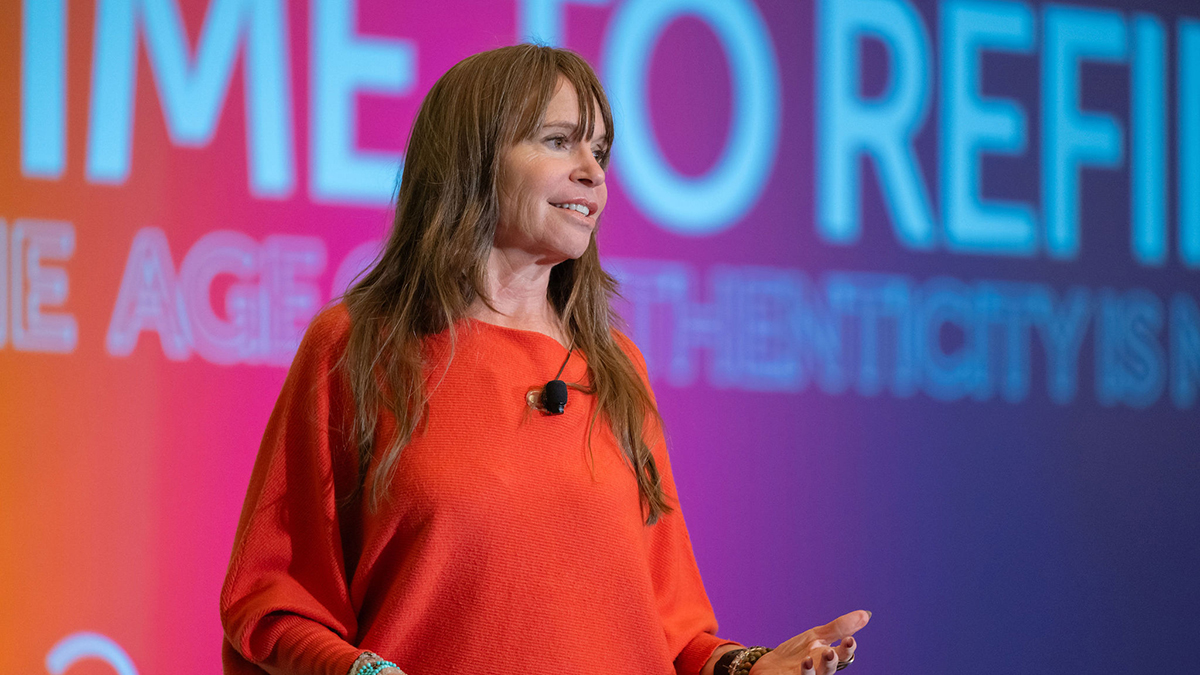
Photo by Anthony Collins
In an industry overflowing with advancements in technology and artificial intelligence, humans are becoming increasingly more valuable for the retirement planning industry, according to Sheri Fitts, a consultant and the founder and CEO of Sheri Fitts & Co.
“The age of authenticity is here,” she said while hosting a workshop at this year’s PLANADVISER 360 Conference on November 4 in Scottsdale, Arizona.
Fitts said that emotional intelligence is one of the most useful skills in the financial services industry because emotions—not technology—drive decision-making. Fitts explained that clients remain loyal to their advisers because they form a relationship based on trust and connection. Therefore, Fitts said, advisers need to focus not on sales or AI, but on creating a personal brand that showcases their true selves, which will help them attract and retain clients.
Showing Up as Yourself
Fitts said the financial services industry can seem like a sea of suits filled with employees who check their humanity at the door, but she approaches it differently. While it is important to remain professional, Fitts said another way to show up for success is by “being as human as you possibly can.”
Authentic personal brands help advisers share with colleagues and potential clients what it is like to work with them. Personal branding, by Fitts’ definition, means bringing “every ounce of who you are and what you believe into all that you do.” In a separate video, Fitts explains that personal branding is much more than how one presents oneself, saying, “It isn’t about ego, it’s about impact. It isn’t about virality, it’s about vulnerability.”
As a speaker and consultant, Fitts has seen firsthand the positive changes personal branding has made in professional lives. In her workshop, Fitts gave the example of the head of a financial marketing firm who was a guitar player outside of work. He practiced, played and wrote music, but he never brought it up with his coworkers or clients. After Fitts recommended bringing the guitar to work and opening up about himself, she saw him change.
“He shows up, and he’s relaxed,” she said. “When he gets to have his guitar by his side, it’s like an emotional support animal, almost.”
Meaning and Impact
Fitts asked her audience to take several minutes to answer: “Why might developing and sharing your personal brand create a meaningful impact for yourself, for your firm, for our industry and for the world?”
The room then filled with chatter of different industry professionals sharing their responses at their tables. Fitts asked for some volunteers to share their responses, and one said it gave them a sense of purpose when they developed and shared their personal brand.
Asked how personal branding impacted one’s firm, an audience member said that authentic relationships give their work a solid emotional foundation and make it feel less transactional.
“From an industry standpoint, I think having a personal brand is natural,” said another audience member. “It’s going to attract people who are like you and repel people…who don’t follow that same vision.”