
2025 Top Retirement Plan Adviser: Erik Daley
Thoughts from Erik Daley, with Multnomah Group.
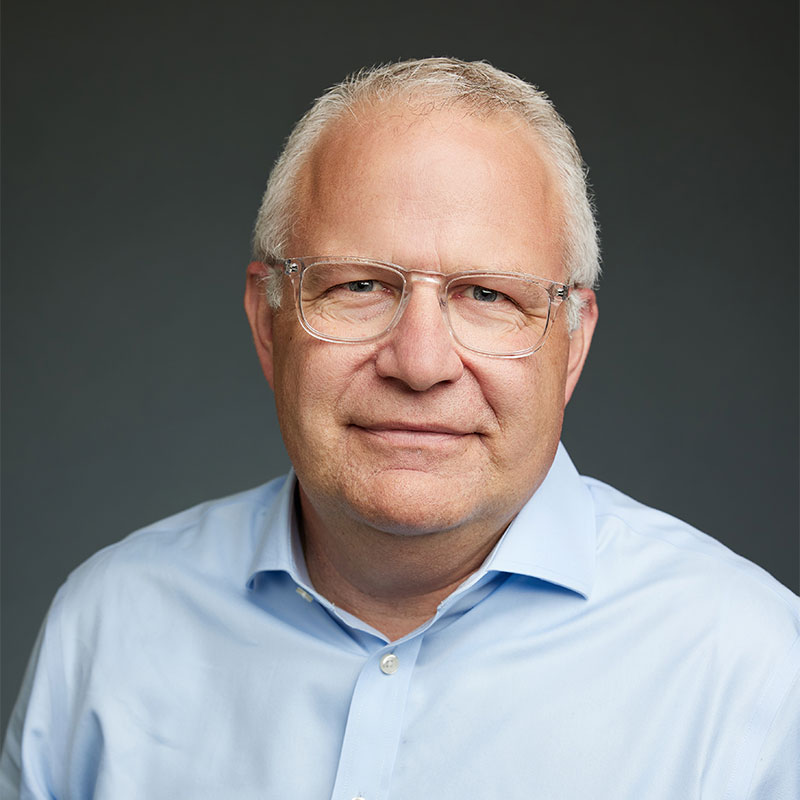
This year, PLANADVISER followed up with advisers on the 2025 Top Retirement Plan Advisers listing to get to know them better. These are the responses from Erik Daley of Multnomah Group in Portland, Oregon.
PLANADVISER: What does it take to be a successful retirement plan adviser in 2025?
Daley: Success today is about being both the plan sponsor’s interpreter and flak jacket in a system that has become more complex and more conflicted.
You have to understand investments, yes, but also recordkeeper economics, managed accounts, private equity creeping into the defined contribution ecosystem and the operational realities of payroll, HRIS and compliance. Sponsors don’t need more product talk; they need someone who can translate all of those things into clear, defensible decisions.
The other requirement is independence, not just in compensation structure, but in mindset. If you can’t comfortably identify conflicts and tell a committee, “This feature benefits your vendor more than your participants,” you’re not adding value, and worse yet, you are likely part of the problem.
Finally, you need operational discipline: documented processes, consistent monitoring and the humility to treat every new engagement as a learning opportunity. For us, the formula is a simple one: competence + candor + process.
PLANADVISER: Has the focus or character of your practice shifted meaningfully over time?
Daley: We have shifted from being investment-centric to governance-centric.
When we founded the firm, conversations were dominated by fund menus and performance quartiles. While still important, today, most of our work lives at the intersection of governance, vendor strategy and operations: How does this recordkeeper get paid? Who is responsible for which pieces of administration? Where are the friction points for participants?
PLANADVISER: What are some of the most important growth strategies that have generated success for your firm? Where do you source new clients most effectively?
Daley:Our best growth has come from doing difficult work well in defined niches and letting that speak for itself.
We’ve focused on plan types and sectors where we can go deep, rather than trying to be everything to everyone.
Centers of influence matter. ERISA attorneys, auditors and consultants in adjacent spaces see where plans are struggling and how we can help. We invest heavily in those relationships, and they’ve been a consistent source of right-fit opportunities.
Finally, thought leadership has been more valuable than traditional “sales.” When you can clearly explain, for example, how recordkeepers monetize managed accounts or why certain fee structures cross-subsidize some participants at others’ expense, the right prospects tend to find you.
PLANADVISER: How do you balance the desire to grow with the need to keep clients happy?
Daley: Happy clients are the engine for growth. The key is to define growth as depth and durability, not just a bigger logo slide.
We deliberately track our capacity, and we’re willing to walk away from RFPs that don’t align with where we choose to focus our capabilities. Nothing erodes a practice faster than saying “yes” to every opportunity and then delivering average service to clients who expected more.
On the operations side, we strive to standardize the boring but essential things: meeting cadences, monitoring reports, fee reviews and operational check-ups. That structure lets us scale quality instead of reinventing the wheel for each new client.
As we grow, our principals remain deeply engaged with clients. This is a commitment that many firms abandon in pursuit of “efficiency.” We believe this hands-on approach is essential to earning trust and turning clients into advocates of our work.
PLANADVISER: How do you foresee the retirement plan industry evolving in the coming decade? Will your practice look much the same in 10 years?
Daley: I think we’ll see three big themes: more consolidation, more technology and more scrutiny of conflicts.
Recordkeepers and advisory firms will continue to consolidate, often with private equity in the background. That capital will push for growth in higher-margin areas, including managed accounts, wealth cross-sell and private markets in DC plans, which will require conflict management to be an even bigger part of the fiduciary conversation.
Technology, especially AI, will reshape service models. Participant communication, basic advice, ticketing and even some compliance monitoring will increasingly be automated. That will lower some costs, but also widen the gap between what’s technically “available” and what actually gets used by busy sponsors and participants.
Our practice will remain largely the same: independent and fiduciary-focused. The tools will change, but our core job of helping committees navigate complexity in the best interest of participants won’t.
Multnomah Group is a registered investment adviser, registered with the Securities and Exchange Commission (CRD # 132131). Any information contained herein or on Multnomah Group’s website is provided for educational purposes only and does not intend to make an offer or solicitation for the sale or purchase of any specific securities, investments, or investment strategies. Investments involve risk and, unless otherwise stated, are not guaranteed. Multnomah Group does not provide legal or tax advice. www.multnomahgroup.com.
| Click to see the list of 2025 Top Retirement Plan Advisers |
 |