
For more stories like this, sign up for the PLANADVISERdash daily newsletter.
Compliance June 30, 2026
Trump Names Keith Sonderling as Secretary of Labor Nominee
Reported by
James Van Bramer

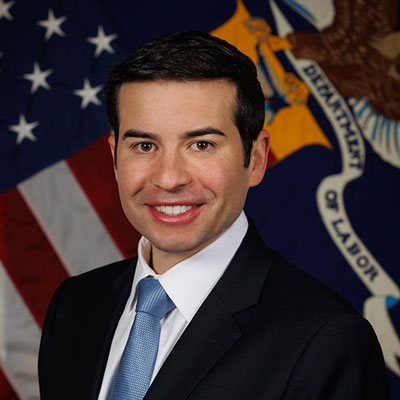
Keith Sonderling
President Donald Trump nominated Acting Secretary of Labor Keith Sonderling to permanently head the Department of Labor via a social media post on Monday.
Sonderling took charge of the Department of Labor in April after former Secretary of Labor Lori Chavez-DeRemer resigned following a shaky tenure at the department. Sonderling needs Senate approval to remain in the post permanently, and his nomination will proceed through the Senate Committee on Health, Education, Labor and Pensions.
Prior to becoming acting secretary, Sonderling served as deputy secretary of labor after being confirmed by the Senate in a 53-to-46 vote in March 2025, with one senator abstaining. Sonderling served in previous administrations as well: He was commissioner of the U.S. Equal Employment Opportunity Commission from September 2020 until August 2024 and had served as the acting and deputy administrator of the DOL’s Wage and Hour Division from 2017 to 2020.
In his announcement, Trump said Sonderling had “proven his dedication to delivering strong results for the hardworking people of our country.”
Sonderling’s predecessor, Chavez-DeRemer, a former Republican congresswoman and an unconventional pick for secretary of labor under a GOP administration due to her ties to labor unions and her recent election defeat, was under scrutiny in an ongoing inspector general probe before resigning. The investigation, which remains unresolved, centers on accusations of misusing taxpayer funds and an inappropriate relationship with a security staffer. Her husband was also accused of inappropriate conduct in his dealings with staff.
Chavez-DeRemer has firmly denied any misconduct. Her nomination garnered support from Teamsters President Sean O’Brien and more than a dozen Senate Democrats in her confirmation vote last year.
If confirmed, Sonderling would continue to lead the DOL’s efforts to oversee the country’s workforce and advance several administration priorities, including a heavily watched rule often referred to as the alternative investments rule, which provides a legal framework for fiduciaries to consider when selecting any investment for retirement plans they oversee.
In his current role as acting secretary, Sonderling is contending with proposed federal budget cuts, which he defended during his first hearing before Congress in May.
« Wealth Managers Expect Interest in Alts to ‘Accelerate,’ per Brookfield